Clutch Plate Replacement Cost in Pune — Complete Guide 2026
BF
BikeFix Pune Team
Certified Bike Mechanic
Share:
BikeFix Pune Team
Certified Bike Mechanic
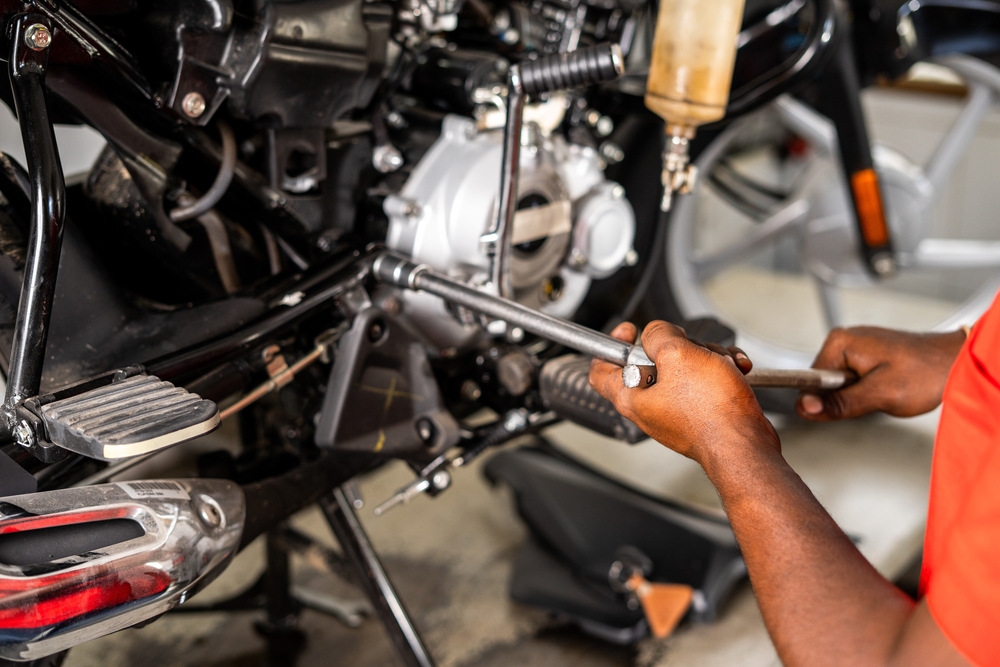
If you ride a bike in Pune, your clutch is the hardest-working component on the entire machine. Every traffic signal on Sinhagad Road, every crawling queue on the Hinjewadi approach road, every slow merge onto the Chandni Chowk flyover — each of these moments means pulling the clutch lever, finding the friction zone, and releasing it again. In cities with lighter traffic, a set of clutch plates can last 40,000 km without complaint. In Pune, riders routinely wear through a full clutch plate set in 15,000-20,000 km because the riding conditions demand constant clutch engagement that most manufacturers never designed for.
Clutch plate replacement is one of those jobs that riders tend to postpone until the symptoms become impossible to ignore — the RPM climbs on the highway but the bike barely accelerates, or gears refuse to engage smoothly at traffic signals. By that point, the worn friction material may have damaged the steel plates and clutch basket too, turning a ₹1,000 job into a ₹3,000 one. Catching clutch wear early and understanding what replacement actually costs for your specific bike model saves both money and riding frustration.
This guide covers clutch plate replacement costs for every major bike brand and model in Pune for 2026, explains the difference between wet and dry clutch systems, breaks down what is included in the replacement process, and offers practical tips for extending clutch life in Pune’s demanding traffic conditions. Whether you ride a Hero Splendor through Kothrud or a KTM Duke 390 across the Hinjewadi IT corridor, you will find the exact pricing and technical detail you need.
Here is a quick summary of clutch plate replacement costs across different bike categories in Pune. These prices include genuine friction plates, steel plates (if needed), clutch springs, a new gasket, engine oil refill, and professional labor.
| Bike Category | Example Models | Clutch Plate Set Cost | Total with Labor |
|---|---|---|---|
| Commuter (100-125cc) | Hero Splendor, Honda Shine, TVS Star City | ₹650-₹750 | ₹1,000-₹1,500 |
| Executive (125-160cc) | Hero Glamour, Honda Unicorn, TVS Raider | ₹500-₹1,499 | ₹1,000-₹1,800 |
| Sport Commuter (150-200cc) | Bajaj Pulsar NS200, TVS Apache, Yamaha FZ | ₹700-₹1,200 | ₹1,500-₹2,500 |
| Mid-Range (200-350cc) | RE Classic 350, Yamaha FZ25 | ₹1,000-₹1,500 | ₹2,000-₹3,000 |
| Performance (350-400cc+) | KTM Duke 390, Dominar 400, Yamaha R3 | ₹1,200-₹2,500 | ₹2,500-₹4,000 |
Prices include all friction plates, steel plates where needed, clutch springs, gasket, engine oil, and doorstep labor. Actual cost depends on specific model, clutch condition, and whether OEM or aftermarket parts are used. Parts-only costs based on current market prices (e.g., Hero Splendor clutch set ₹650-₹740, Honda Shine clutch set ₹740, RE Classic 350 set ₹1,440-₹1,485, KTM Duke 390 ₹1,699-₹2,499). View our complete pricing page for more details.
What determines the cost? Three factors drive the price: (1) the number of friction plates in your clutch pack — a Hero Splendor has 4-5 plates while a KTM Duke 390 has 8-9, (2) whether you choose OEM or quality aftermarket plates, and (3) the condition of the steel plates, springs, and clutch basket. If the steel plates are warped or the clutch basket has notching from prolonged wear, these need replacement too, adding to the total.
Hero is the most common bike brand on Pune’s roads, and clutch plate replacements for Hero models are among the most affordable. The simple, reliable wet clutch designs in Hero commuters use fewer plates and smaller springs compared to performance bikes.
| Hero Model | No. of Friction Plates | Plate Set Cost | Total with Labor |
|---|---|---|---|
| Hero Splendor Plus/iSmart | 4-5 | ₹650-₹740 | ₹1,000-₹1,500 |
| Hero HF Deluxe | 4-5 | ₹600-₹700 | ₹1,000-₹1,400 |
| Hero Passion Pro | 5 | ₹650-₹750 | ₹1,000-₹1,500 |
| Hero Glamour 125 | 5 | ₹700-₹1,499 | ₹1,100-₹1,500 |
| Hero Xtreme 160R | 5-6 | ₹750-₹1,000 | ₹1,300-₹1,800 |
Hero Splendor clutch plates are the most widely available in Pune — every local spare parts shop from Deccan to Pimpri stocks them. This availability keeps prices competitive. For Hero bikes, genuine Honda-Hero parts are recommended over cheap aftermarket options, as the price difference is only ₹100-₹200 but the durability is significantly better. Hero Splendor riders commuting through heavy traffic areas like Sinhagad Road and Katraj often need clutch replacement closer to the 20,000 km mark rather than the expected 30,000 km.
Honda bikes use well-engineered wet clutch systems that are generally durable, but Pune’s traffic takes its toll on even the best designs. Honda’s genuine parts are slightly pricier than aftermarket alternatives, but the quality difference in clutch feel and longevity is noticeable.
| Honda Model | No. of Friction Plates | Plate Set Cost | Total with Labor |
|---|---|---|---|
| Honda Shine 125 | 5 | ₹700-₹750 | ₹1,000-₹1,500 |
| Honda SP125 | 5 | ₹700-₹1,499 | ₹1,000-₹1,500 |
| Honda Unicorn 160 | 5-6 | ₹750-₹1,499 | ₹1,200-₹1,700 |
| Honda CB Hornet 160R | 5-6 | ₹1,499-₹1,000 | ₹1,400-₹1,800 |
| Honda CB200X | 6 | ₹1,499-₹1,200 | ₹1,600-₹2,200 |
| Honda CB350 (H’ness/RS) | 6-7 | ₹1,100-₹1,500 | ₹2,000-₹2,800 |
Honda Shine is one of the most popular commuter bikes in Wakad, Baner, and Hinjewadi, and clutch plate replacement requests for this model are among the most frequent we receive. Honda genuine clutch plates carry the “HGP” (Honda Genuine Parts) marking — insist on seeing this during replacement to avoid counterfeit parts. The Honda CB350, being a heavier motorcycle with higher torque, uses a beefier clutch pack that costs more but also handles Pune’s traffic better than lighter alternatives.
Bajaj bikes span the widest price range for clutch replacement — from the budget-friendly Platina to the performance-oriented Dominar 400. Bajaj’s sport-oriented models like the NS200 and Dominar use slipper clutches that add complexity and cost to replacement.
| Bajaj Model | No. of Friction Plates | Plate Set Cost | Total with Labor |
|---|---|---|---|
| Bajaj Platina 100/110 | 4-5 | ₹600-₹700 | ₹1,000-₹1,400 |
| Bajaj CT100/110 | 4-5 | ₹600-₹700 | ₹1,000-₹1,400 |
| Bajaj Pulsar 125/150 | 5-6 | ₹700-₹1,499 | ₹1,200-₹1,700 |
| Bajaj Pulsar NS160/NS200 | 6-7 | ₹1,499-₹1,200 | ₹1,500-₹2,500 |
| Bajaj Pulsar RS200 | 6-7 | ₹1,499-₹1,300 | ₹1,600-₹2,500 |
| Bajaj Dominar 400 | 7-8 | ₹1,200-₹2,000 | ₹2,500-₹4,000 |
The Bajaj Pulsar 150 remains one of the most popular mid-range bikes in Pune, and its clutch plates are readily available. However, the NS200 and RS200 use a slipper clutch mechanism — when replacing plates on these models, the slipper clutch assembly should be inspected for wear in the ramp and ball mechanism. A worn slipper clutch assembly adds ₹1,499-₹1,500 to the total cost but is critical for proper back-torque management during downshifts. Riders who commute through Hadapsar and the Magarpatta corridor on Bajaj sport bikes frequently report clutch wear around the 18,000-22,000 km mark.
TVS bikes are known for smooth clutch action, particularly the Apache series. Their clutch systems are well-engineered for Indian traffic conditions, and replacement costs are moderate.
| TVS Model | No. of Friction Plates | Plate Set Cost | Total with Labor |
|---|---|---|---|
| TVS Star City Plus | 4-5 | ₹650-₹750 | ₹1,000-₹1,500 |
| TVS Raider 125 | 5 | ₹700-₹1,499 | ₹1,100-₹1,500 |
| TVS Apache RTR 160 | 5-6 | ₹750-₹1,000 | ₹1,500-₹2,000 |
| TVS Apache RTR 200 4V | 6-7 | ₹1,499-₹1,200 | ₹1,500-₹2,500 |
| TVS Apache RR310 | 7-8 | ₹1,200-₹1,800 | ₹2,500-₹3,500 |
The TVS Apache RTR 200 4V uses a slipper clutch similar to the Bajaj NS200, and the same inspection considerations apply. TVS genuine parts are competitively priced and readily available in Pune. The Apache RTR 160 is particularly popular among younger riders in areas like Kharadi and Viman Nagar, and its clutch plates hold up reasonably well even in heavy traffic due to TVS’s use of quality friction materials.
Royal Enfield bikes are a special case for clutch replacement in Pune. The newer J-platform bikes (Classic 350, Meteor 350, Hunter 350) use a modern, refined clutch that is easier and cheaper to maintain than the older UCE engine clutch found in the Bullet and older Classic models.
| Royal Enfield Model | No. of Friction Plates | Plate Set Cost | Total with Labor |
|---|---|---|---|
| RE Hunter 350 | 6 | ₹1,200-₹1,500 | ₹2,000-₹2,800 |
| RE Meteor 350 | 6 | ₹1,300-₹1,500 | ₹2,000-₹2,800 |
| RE Classic 350 (new) | 6-7 | ₹1,440-₹1,500 | ₹2,000-₹3,000 |
| RE Classic 350 (old UCE) | 6-7 | ₹1,200-₹1,485 | ₹2,000-₹2,800 |
| RE Bullet 350 (old) | 6 | ₹1,100-₹1,400 | ₹2,000-₹2,600 |
| RE Himalayan | 6-7 | ₹1,400-₹1,600 | ₹2,200-₹3,000 |
Royal Enfield bikes are heavy motorcycles (180-200 kg), which means the clutch handles more mass during every start from a traffic signal. In Pune’s stop-and-go conditions, RE riders commonly report clutch slip around 15,000-20,000 km — well short of the 30,000+ km that highway riders achieve. The older Bullet and UCE-engine Classic models are notorious for clutch judder when cold, especially during Pune’s winter mornings (December-January). This is often a sign of warped steel plates rather than worn friction material, and replacing only the steel plates (₹999-₹600) can solve the problem without a full clutch overhaul. Royal Enfield riders in Koregaon Park and Aundh should pay attention to engine oil quality — RE specifically recommends 15W-50 grade for the Classic 350, and using thinner oils causes premature clutch slip.
KTM bikes demand premium clutch components due to their high-performance engines and tight engineering tolerances. KTM uses more friction plates per clutch pack than most Indian bikes, and the plates are manufactured to tighter specifications. Aftermarket options exist but genuine KTM parts are strongly recommended for these bikes.
| KTM Model | No. of Friction Plates | Plate Set Cost | Total with Labor |
|---|---|---|---|
| KTM Duke 125 | 6-7 | ₹760-₹1,000 | ₹1,500-₹2,200 |
| KTM Duke 200 | 7-8 | ₹760-₹1,200 | ₹1,800-₹2,500 |
| KTM Duke 250 | 7-8 | ₹1,000-₹1,500 | ₹2,200-₹3,000 |
| KTM Duke 390 | 8-9 | ₹1,699-₹2,499 | ₹2,500-₹4,000 |
| KTM RC 200 | 7-8 | ₹760-₹1,200 | ₹1,800-₹2,500 |
| KTM RC 390 | 8-9 | ₹1,699-₹2,499 | ₹2,500-₹4,000 |
KTM clutch replacement is among the most expensive in the segment, but there are good reasons. KTM engines produce high power relative to their displacement (the Duke 390 makes 43 HP from 373cc), which puts enormous stress on the clutch. The slipper clutch mechanism on all current KTM models adds to the parts count and complexity. KTM riders who use their bikes for spirited riding through the hills around Lavale and the ghats near Sinhagad Fort should budget for clutch replacement around the 15,000-18,000 km mark. For daily commuters in Hinjewadi and Wakad traffic, that interval can drop to 12,000-15,000 km due to the constant clutch work these high-revving engines demand.
For a comprehensive look at all KTM maintenance costs, see our KTM bike service cost guide.
Yamaha clutch systems are known for their progressive feel and durability. The brand uses high-quality friction materials even in their entry-level models, and Yamaha genuine clutch plates are competitively priced relative to the quality.
| Yamaha Model | No. of Friction Plates | Plate Set Cost | Total with Labor |
|---|---|---|---|
| Yamaha FZ-S FI | 6 | ₹750-₹1,000 | ₹1,500-₹2,000 |
| Yamaha FZ-X | 6 | ₹1,499-₹1,100 | ₹1,500-₹2,200 |
| Yamaha MT-15 | 6-7 | ₹1,499-₹1,200 | ₹1,600-₹2,400 |
| Yamaha R15 V4 | 6-7 | ₹1,499-₹1,300 | ₹1,800-₹2,500 |
| Yamaha FZ25 | 6-7 | ₹1,000-₹1,400 | ₹2,000-₹3,000 |
| Yamaha R3 | 7-8 | ₹1,200-₹1,800 | ₹2,500-₹3,500 |
The Yamaha R15 uses a slipper and assist clutch that provides lighter lever pull while maintaining strong engagement. This design is excellent for Pune traffic as it reduces hand fatigue during long crawls through congested areas. When replacing R15 or MT-15 clutch plates, the assist mechanism should be checked for wear — a worn assist spring changes the lever feel and engagement point. Yamaha FZ-S is extremely popular in Pune and its clutch plates are widely available at both authorized and independent parts dealers.
For detailed Yamaha service costs, read our Yamaha bike service cost guide.
Suzuki’s Indian lineup is smaller than other brands, but their clutch systems are robust and well-suited to Indian conditions. Suzuki uses a multi-plate wet clutch with excellent heat dissipation characteristics.
| Suzuki Model | No. of Friction Plates | Plate Set Cost | Total with Labor |
|---|---|---|---|
| Suzuki Gixxer 150 | 5-6 | ₹750-₹1,000 | ₹1,500-₹2,000 |
| Suzuki Gixxer SF | 5-6 | ₹1,499-₹1,100 | ₹1,500-₹2,200 |
| Suzuki Gixxer SF 250 | 6-7 | ₹1,000-₹1,400 | ₹2,000-₹2,800 |
| Suzuki V-Strom SX 250 | 6-7 | ₹1,100-₹1,500 | ₹2,000-₹3,000 |
Suzuki clutch plates are less commonly stocked at independent parts shops in Pune compared to Hero or Honda, so availability can sometimes add a day to the service timeline if a specific model’s plates need to be sourced. Genuine Suzuki parts are the way to go here — the aftermarket options for Suzuki models are limited and inconsistent in quality. For more on Suzuki maintenance, see our Suzuki bike service cost guide.
Understanding the type of clutch your bike uses is essential because it affects replacement cost, maintenance requirements, and how you should ride in Pune’s conditions.
A wet clutch operates fully submerged in engine oil. The oil serves multiple purposes: it cools the clutch plates during operation, provides smooth engagement by creating a thin film between plates, and carries away heat generated during slipping (which happens at every traffic signal). Approximately 95% of bikes on Indian roads use wet clutches, including all Hero, Honda, Bajaj, TVS, Yamaha, Suzuki, Royal Enfield, and most KTM models sold in India.
Advantages for Pune riding:
Disadvantages:
A dry clutch operates without oil lubrication. The plates engage and disengage in air, providing more direct power transfer. Dry clutches are found on some European motorcycles — certain Ducati models and specific BMW motorcycles. In the Indian market, dry clutches are extremely rare and limited to high-end imports.
Advantages:
Disadvantages:
For Pune’s traffic conditions, wet clutch is overwhelmingly better. The constant engagement and disengagement in heavy traffic generates enormous heat that dry clutches cannot dissipate effectively. Wet clutch bikes handle Pune’s traffic with minimal stress on the friction material, while a dry clutch bike doing the same commute would need clutch replacement far sooner. If you are buying a new bike for daily Pune commuting, every popular model available uses a wet clutch — this is not a coincidence.
When you book a clutch plate replacement service with BikeFix, here is a detailed breakdown of everything included in the job.
1. Friction Plates (Always Replaced) The friction plates are the primary wear items. These are the plates with cork or organic friction material bonded to both sides. When this material wears down, the clutch slips. A typical commuter bike has 4-5 friction plates; a performance bike has 7-9. All friction plates are replaced as a complete set to ensure even engagement.
2. Steel Plates (Replaced If Needed) Steel plates sit between the friction plates and provide the mating surface. These are plain steel discs that should remain flat and smooth. If they are warped (checked with a straightedge and feeler gauge) or have scoring marks, they are replaced. Steel plates last longer than friction plates and often survive 2-3 friction plate changes.
3. Clutch Springs (Replaced If Needed) Clutch springs press the plates together to create the friction needed for power transfer. Over time, springs lose their tension (measured with a vernier caliper against manufacturer specifications). Weak springs cause clutch slip even with new friction plates. Springs are replaced if they have lost more than 5% of their free length.
4. Clutch Cover Gasket (Always Replaced) Opening the clutch cover requires removing the gasket. A new gasket is always installed to prevent oil leaks. This is a low-cost item (₹50-₹150) but skipping it guarantees an oil leak.
5. Engine Oil (Always Replaced) Since wet clutch bikes require draining engine oil to access the clutch, fresh engine oil is included in every clutch replacement. The mechanic uses motorcycle-specific oil with the correct JASO MA rating for your bike model.
The typical doorstep clutch replacement follows this process:
The entire process takes 1-2 hours depending on the bike model and accessibility of the clutch cover.
Recognizing worn clutch symptoms early can save you from a breakdown at the worst possible moment — like halfway through the Wakad to Hinjewadi commute during morning rush hour. Here are the eight key warning signs.
The most definitive sign. You accelerate and the engine RPM rises sharply, but the bike’s speed does not increase proportionally. This is especially noticeable in higher gears (4th and 5th) and when riding uphill. The friction plates have worn too thin to grip the steel plates firmly, so the clutch slips under load. If your bike revs freely but feels like it is pulling through mud, the clutch is slipping.
Gears become hard to engage, feel crunchy during shifts, or the gear lever needs excessive force. This can indicate warped steel plates (clutch drag) or worn friction material that is not releasing cleanly. First-to-second gear shifts are usually the first to become problematic because this is the highest-load shift.
A distinct burning smell — similar to burnt cork or overheated paper — coming from the engine area, particularly noticeable when stuck in slow-moving traffic. This is the friction material overheating beyond its design temperature. If you smell this regularly during your commute through congested areas, the clutch plates are on their last legs.
The clutch lever feels different than it used to. The engagement point has shifted (either closer to the handlebar or further out), or the lever feels unusually light or heavy. Changes in lever feel indicate that the friction plate thickness has changed (worn down) or the springs have weakened, altering the mechanical balance of the clutch assembly.
When stopped at a traffic signal with the clutch lever fully pulled and the bike in gear, the bike still tries to creep forward. This is clutch drag — the plates are not separating fully when the clutch is disengaged. Warped steel plates or a bent clutch hub are common causes.
When the clutch slips, not all engine power reaches the rear wheel. The engine works harder (higher RPM) to maintain speed, burning more fuel. A sudden, unexplained increase in fuel consumption — say, dropping from 50 km/l to 40 km/l on your Kothrud commute — can indicate clutch slip that is not yet severe enough to feel obvious.
The bike feels sluggish when pulling away from stops or overtaking, despite the engine sounding normal. This is an early symptom of clutch slip — the power is being generated but not fully transmitted. You find yourself needing to rev higher than usual to keep up with traffic.
A shuddering or vibrating sensation felt through the bike when engaging the clutch from a standstill, especially when cold. This typically indicates warped steel plates or unevenly worn friction plates. Clutch judder is common on Royal Enfield bikes and is often most noticeable during cold Pune mornings in December and January.
If you notice one or two of these symptoms, a clutch inspection is advisable. If you notice three or more, clutch plate replacement is almost certainly needed. Book a general bike service for a comprehensive inspection, or call us directly for a clutch-specific diagnosis.
Pune is uniquely harsh on motorcycle clutches. Understanding why helps you adapt your riding to extend clutch life.
Pune’s traffic is among the densest in India for two-wheeler commuters. Routes like Sinhagad Road (average speed 12-15 km/h during peak hours), the Hinjewadi-Wakad corridor, University Road, JM Road, FC Road, and the Katraj-Kondhwa stretch involve constant clutch engagement and disengagement. A 15 km commute through these areas can involve 200-300 clutch operations — compared to perhaps 30-40 on a highway ride of the same distance. Each operation wears the friction material incrementally.
Pune is not a flat city. The terrain undulates through hills, flyovers, and ghats. Riding uphill in traffic — such as the climb from Warje to Kothrud, the Katraj ghat, or the flyovers near Chandni Chowk and Navale Bridge — requires more clutch engagement at higher engine loads. The clutch must transmit more torque while also managing partial engagement in slow traffic. This combination of high load and partial slip is the most destructive operating condition for clutch plates.
In slow-moving Pune traffic, many riders develop the habit of riding with the clutch partially engaged — using the friction zone to control speed instead of using the throttle and brakes. This “half-clutch” riding keeps the clutch plates slipping continuously, generating heat and wear far beyond what full engagement or full disengagement produces. It is the single biggest controllable factor in clutch wear, and it is extremely common among Pune commuters navigating IT park approach roads and narrow internal roads in residential areas.
Pune’s pre-monsoon temperatures of 38-42°C in April and May add ambient heat to the already hot clutch operating environment. Engine oil temperature rises, reducing its ability to cool the clutch plates effectively. Bikes stuck in traffic with engines idling for extended periods see engine oil temperatures of 100-120°C — combined with clutch slip heat, the friction material operates at its thermal limits. The monsoon brings relief, but the preceding three months of summer can accelerate clutch wear significantly.
Many Pune riders commute 20-40 km daily (one way), particularly those working in IT parks across Hinjewadi, Kharadi, Magarpatta, and Talawade. These long commutes through heavy traffic accumulate clutch operations at a much higher rate than shorter urban rides. A rider commuting 30 km each way through traffic may use the clutch 500-600 times daily — over 150,000 operations per year. This volume of use compresses the expected clutch life dramatically.
This section is critical for every bike owner to understand, because incorrect engine oil is one of the most common — and most preventable — causes of clutch problems in wet clutch bikes. And since nearly every bike on Pune’s roads uses a wet clutch, this applies to almost all riders.
In a wet clutch, the friction plates and steel plates are bathed in the same engine oil that lubricates the engine internals. The clutch relies on the friction plates gripping the steel plates firmly enough to transmit engine power. If the oil is too slippery, the plates cannot grip — and the clutch slips.
The Japanese Automotive Standards Organization (JASO) created specific ratings for motorcycle oils:
Car engine oils (API SN, SN Plus, etc.) are designed to reduce friction everywhere — including between moving metal surfaces. They contain friction modifier additives that make surfaces slippery. In a car engine without a wet clutch, this is purely beneficial. In a motorcycle with a wet clutch, these same friction modifiers coat the clutch plates and prevent them from gripping properly.
If your clutch started slipping shortly after an oil change, the first thing to check is whether the correct motorcycle-specific oil was used. Switching to a proper JASO MA-rated motorcycle oil and riding for 100-200 km often resolves oil-induced clutch slip without any clutch plate replacement needed.
Even correct motorcycle oil degrades over time. As oil ages, it loses viscosity, accumulates contaminants, and breaks down chemically. Degraded oil does not cool the clutch effectively, allows more friction material wear, and can cause clutch judder during engagement. This is why regular oil changes at 3,000-5,000 km intervals are essential — not just for engine health, but for clutch longevity.
For a comprehensive guide on choosing the right oil and understanding oil change intervals, read our oil change cost guide.
| Bike | Recommended Oil Grade | JASO Rating |
|---|---|---|
| Hero Splendor/Shine | 10W-30 | JASO MA |
| Honda Unicorn/CB350 | 10W-30 | JASO MA |
| Bajaj Pulsar series | 10W-40 or 20W-40 | JASO MA2 |
| TVS Apache series | 10W-30 or 10W-40 | JASO MA |
| Royal Enfield 350 | 15W-50 | JASO MA2 |
| KTM Duke series | 10W-50 | JASO MA2 |
| Yamaha FZ/R15 | 10W-40 | JASO MA |
You cannot eliminate clutch wear in Pune traffic, but you can significantly extend clutch plate life by changing a few riding habits.
This is the single most effective change. In slow traffic, instead of riding with the clutch partially engaged, use the throttle and rear brake to control speed with the clutch either fully engaged or fully disengaged. It takes practice, but riders who eliminate half-clutch riding consistently get 30-50% more life from their clutch plates. First gear at idle speed (without throttle) is fast enough for most crawling traffic — use the rear brake to modulate speed.
As covered in the section above, always use motorcycle-specific oil with a JASO MA or JASO MA2 rating. Never use car oil, and never let a mechanic convince you that “oil is oil” — it is not. The wrong oil can halve your clutch life. Also, change oil at the recommended interval (every 3,000-5,000 km) because degraded oil does not protect the clutch properly.
A poorly adjusted clutch cable changes the engagement point and can cause the clutch to never fully engage or never fully disengage. Both conditions accelerate wear. Check clutch cable free play every 3,000 km or during every general service. The typical free play specification is 10-15mm at the lever end — your owner’s manual has the exact figure for your bike.
Dropping the clutch at high RPM from a standstill — whether intentionally or because you misjudged the friction zone — subjects the clutch plates to enormous stress. One aggressive launch can remove as much friction material as 500 km of normal riding. In Pune, the temptation to launch hard from traffic signals to beat the cross-traffic is strong, but your clutch pays the price.
Rev-matching during downshifts (blipping the throttle while downshifting) reduces the load on the clutch during deceleration. Slamming down through gears without rev-matching forces the clutch to absorb the speed difference between engine RPM and wheel speed, causing unnecessary wear. This is especially relevant for bikes without slipper clutches.
A comprehensive bike service catches clutch problems early. During a general service, the mechanic checks clutch cable adjustment, lever free play, engagement point, and listens for any clutch noise. Catching a slipping clutch at the first sign of symptoms — before the friction material is completely gone — prevents damage to the more expensive steel plates and clutch basket.
For a complete maintenance schedule, refer to our bike maintenance checklist.
Clutch plate replacement is a job that can be done at a traditional workshop, an authorized service center, or at your doorstep. Here is how the options compare for Pune riders.
| Factor | Authorized Service Center | Local Workshop | BikeFix Doorstep |
|---|---|---|---|
| Clutch Plate Cost | ₹1,000-₹5,500 (OEM only) | ₹600-₹3,500 (varies) | ₹1,000-₹4,000 (genuine) |
| Labor Charges | ₹500-₹1,200 | ₹300-₹1,499 | Included in total |
| Oil Included | Often charged separately | Sometimes included | Always included |
| Gasket Included | Yes | Sometimes forgotten | Always included |
| Time Required | 3-6 hours (queue wait) | 1-3 hours | 1-2 hours |
| Convenience | You travel to center | You travel to shop | Mechanic comes to you |
| Transparency | Service record provided | Variable | Full inspection report |
| Parts Quality | OEM guaranteed | Varies widely | Genuine/quality aftermarket |
| Warranty | Manufacturer warranty | Usually none | Service warranty |
Many riders assume clutch replacement requires a fully equipped workshop with a hydraulic lift. In reality, motorcycle clutch plates are accessed through a side cover — the bike does not need to be lifted, disassembled, or moved. A mechanic with the correct tools (clutch holder tool, torque wrench, socket set, oil drain pan) can perform the entire job wherever the bike is parked — your parking lot, apartment basement, or office parking area.
The real advantage of doorstep service for clutch replacement is time. At a workshop, you drop off the bike and wait 3-6 hours (or longer if they are busy). With doorstep service, the mechanic arrives at your location, performs the work while you continue your day, and you are back on the road in 1-2 hours.
For a deeper comparison between doorstep and workshop service models, read our doorstep vs workshop cost comparison.
When replacing clutch plates, you have two choices: OEM (Original Equipment Manufacturer) parts from the bike brand, or aftermarket alternatives.
Pros:
Cons:
Best for: Newer bikes under warranty, premium models (KTM, Yamaha R series), Royal Enfield bikes where aftermarket quality is inconsistent.
Pros:
Cons:
Best for: Older commuter bikes (Hero Splendor, Honda Shine, Bajaj Platina) where the cost difference is meaningful and reputable aftermarket brands are available.
For commuter bikes (under ₹1 lakh), quality aftermarket plates from reputable brands offer the best value — the cost saving is significant and the performance is adequate. For mid-range and premium bikes (₹1 lakh and above), OEM clutch plates are worth the extra cost because the tolerances are tighter and the consequences of premature failure are more expensive.
Not every clutch problem requires plate replacement. Sometimes a simple adjustment solves the issue.
Adjustment may fix:
Replacement is needed when:
A clutch cable adjustment takes 10-15 minutes and costs nothing beyond a basic service visit. It should be the first thing checked before committing to plate replacement. During a general service, our mechanics always check and adjust clutch free play as part of the standard inspection.
If your clutch is showing any of the symptoms described in this guide — slipping, hard shifting, burning smell, or changed lever feel — do not wait until the problem gets worse. Worn clutch plates that are not replaced can damage the steel plates and clutch basket, turning a ₹1,500-₹2,500 job into a ₹3,500-₹5,500 repair.
BikeFix provides doorstep clutch plate replacement across all Pune and PCMC areas. Our mechanic arrives with the correct clutch plate set for your bike model, proper tools, fresh gasket, and engine oil. The entire process takes 1-2 hours at your location — no need to ride a slipping clutch to a workshop and wait half a day.
Call now: +91-8668500383 | WhatsApp: Send message
No advance payment. Pay only after the service is complete and you are satisfied with the clutch feel.
Looking for other bike services? Check our complete bike service cost guide or browse all services available across Pune.
Our team of certified mechanics brings over 15 years of combined experience in bike service and repair. We're passionate about helping Pune riders keep their bikes in top condition through expert maintenance and reliable doorstep service.
Contact UsClutch plate replacement in Pune costs ₹1,000-₹4,000 depending on your bike model and clutch type. Commuter bikes like Hero Splendor, Honda Shine, and TVS Star City need basic clutch plate sets costing ₹1,000-₹1,500 including friction plates, steel plates, and labor. Mid-range bikes like Bajaj Pulsar NS200 and TVS Apache cost ₹1,500-₹2,500 as they use more clutch plates and springs. Premium bikes like Royal Enfield Classic 350 and Yamaha FZ25 cost ₹2,000-₹3,000. High-performance bikes like KTM Duke 390 and Bajaj Dominar 400 require premium clutch sets costing ₹2,500-₹4,000. These prices include all friction plates, steel plates (if needed), clutch springs, gasket, and professional installation. BikeFix provides doorstep clutch plate replacement across Pune.
Bike clutch plates typically last 20,000-40,000 km, but Pune's traffic conditions significantly reduce this lifespan. Heavy stop-and-go traffic in areas like Sinhagad Road, JM Road, Hinjewadi Phase 1-3 approach roads, and University Road means constant clutch engagement and disengagement — the primary cause of clutch wear. Riders in bumper-to-bumper Pune traffic may need clutch replacement as early as 15,000-20,000 km. Highway riders doing long stretches to Mumbai or Nashik see less clutch wear (30,000-50,000 km) because the clutch stays fully engaged. Riding habits matter hugely: riding with partial clutch (half-clutch riding in slow traffic), aggressive starts from traffic signals, and riding uphill in low gears all accelerate wear. Regular clutch cable adjustment and using genuine engine oil for wet clutch bikes extend clutch life.
Key signs of worn clutch plates include: clutch slipping — engine RPM rises when you accelerate but speed doesn't increase proportionally, especially noticeable in higher gears and uphill riding. Difficulty shifting gears — gears feel hard to engage or produce clunking sounds during shifts. Burning smell from the engine area, particularly in slow-moving Pune traffic where the clutch is constantly being engaged. Bike feels sluggish despite normal engine performance. Clutch lever has excessive free play or feels different than usual. The bike moves forward even when the clutch lever is fully pulled (clutch drag). High RPM needed to achieve normal speed. Fuel consumption increases noticeably because the clutch isn't transmitting full engine power to the wheel.
Wet clutch operates submerged in engine oil, which cools the clutch plates and provides smoother engagement — used in 95% of Indian bikes including Hero, Honda, Bajaj, TVS, Royal Enfield, Yamaha, and most KTM models. The oil bath means wet clutches are quieter, last longer, and are more forgiving in Pune's heavy traffic. However, engine oil quality directly affects wet clutch performance — using car oil or wrong grade oil can cause clutch slip. Dry clutch operates without oil lubrication — found on some Ducati models and certain KTM bikes. Dry clutches provide more direct power transfer but are noisier, wear faster, and need replacement more frequently. For Indian conditions with heavy traffic and heat, wet clutch is ideal.
Clutch friction plates cannot be repaired — once the friction material wears down, replacement is the only option. However, clutch steel plates (the metal plates between friction plates) can often be reused if they're not warped or scored. During our doorstep inspection, the mechanic checks each plate individually: friction plates with worn lining (below minimum thickness, typically 2.5-3mm) are replaced, warped steel plates are replaced, and clutch springs that have lost tension are replaced. Sometimes only 2-3 of the 5-7 friction plates are heavily worn — but we recommend replacing all friction plates as a set for even wear and consistent clutch feel. Partial replacement may save money short-term but often leads to uneven clutch engagement.
Clutch slipping in Pune traffic is extremely common due to several factors: constant clutch engagement in bumper-to-bumper traffic on roads like Sinhagad Road, FC Road, and University Road wears friction material rapidly. Half-clutch riding in slow-moving traffic (common near IT parks in Hinjewadi and Kharadi) generates excessive heat and accelerates wear. Using incorrect engine oil is a major cause — car oils or oils not rated for wet clutch use contain friction modifiers that cause clutch slip. Pune's hot summers (38-42 degrees) combined with heavy traffic create extreme operating conditions. Riding uphill through Pune's many ghats and flyovers while in traffic puts additional load. If your clutch started slipping recently after an oil change, switching to the correct JASO MA-rated motorcycle oil may solve the issue.
Yes, BikeFix provides doorstep clutch plate replacement across all Pune and PCMC areas including Hinjewadi, Wakad, Baner, Kothrud, Hadapsar, Viman Nagar, Kharadi, Aundh, Pimpri-Chinchwad, Koregaon Park, and 40+ more locations. Our mechanic arrives with clutch plate sets for your specific bike model, proper tools (clutch holding tool, torque wrench), fresh gasket, and engine oil for refill. The process takes 1-2 hours: drain engine oil, open clutch cover, inspect and replace worn plates and springs, install new gasket, refill engine oil, and test clutch engagement. Available 7 days a week, 9 AM to 9 PM. No advance payment.
Yes, engine oil has a critical impact on wet clutch performance, which is used in nearly all Indian bikes. Using the wrong oil is one of the most common causes of clutch slip. Motorcycle-specific oils carry a JASO MA or JASO MA2 rating — these are formulated WITHOUT friction modifiers to ensure proper clutch plate grip. Car engine oils contain friction modifiers to reduce engine friction but these same additives make clutch plates slippery, causing slip. Always use motorcycle-specific oil with JASO MA/MA2 rating. Additionally, worn or degraded oil loses its viscosity and lubricating properties, leading to clutch judder and harder shifting. Change engine oil at recommended intervals (every 3,000-5,000 km) for optimal clutch performance.
Clutch plate repair cost for bikes in Pune: commuter bikes (Splendor, Shine, Platina) ₹1,000-₹1,500 total, mid-range (Pulsar, Apache, FZ) ₹1,500-₹2,500, Royal Enfield 350cc ₹2,000-₹3,000, performance bikes (KTM Duke, R15) ₹2,500-₹4,000. Note that clutch friction plates cannot be repaired — only replaced. The cost includes a complete set of friction plates, springs, gasket, engine oil top-up, and professional labour. BikeFix provides doorstep clutch plate replacement — the mechanic brings everything to your location.
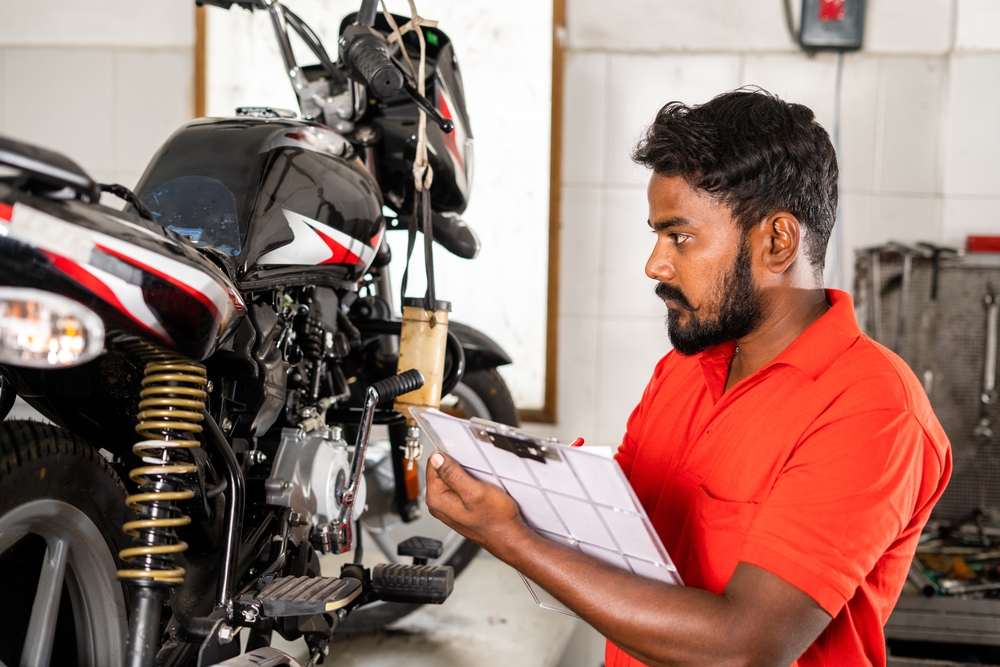
Bajaj service cost from ₹999 — Pulsar 125/150, NS200, Dominar. Service schedule: 1st at 500-750 km, 2nd at 5,000 km, then every 5,000 km. Oil change ₹999.
Bajaj Pulsar service cost from ₹999 — 125, 150, N160, NS200, N250. Service schedule: 1st at 500-750 km, 2nd at 5,000 km, then every 5,000 km. Oil change ₹999.
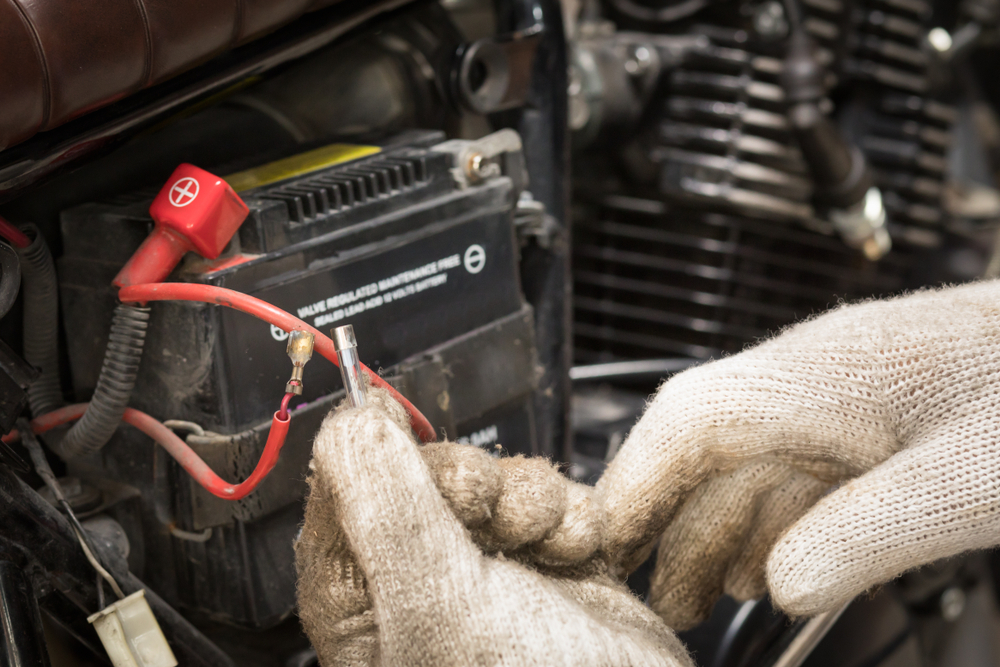
Complete bike battery replacement cost guide for Pune. Battery prices by brand and model, Exide vs Amaron comparison, signs of failing battery, doorstep replacement from ₹1,499.
Book our professional doorstep bike service in Pune now. Expert mechanics, genuine parts, affordable pricing.