Brake Pad Replacement Cost Pune 2026: ₹999 — All Bikes
BF
BikeFix Pune Team
Certified Bike Mechanic
Share:
BikeFix Pune Team
Certified Bike Mechanic
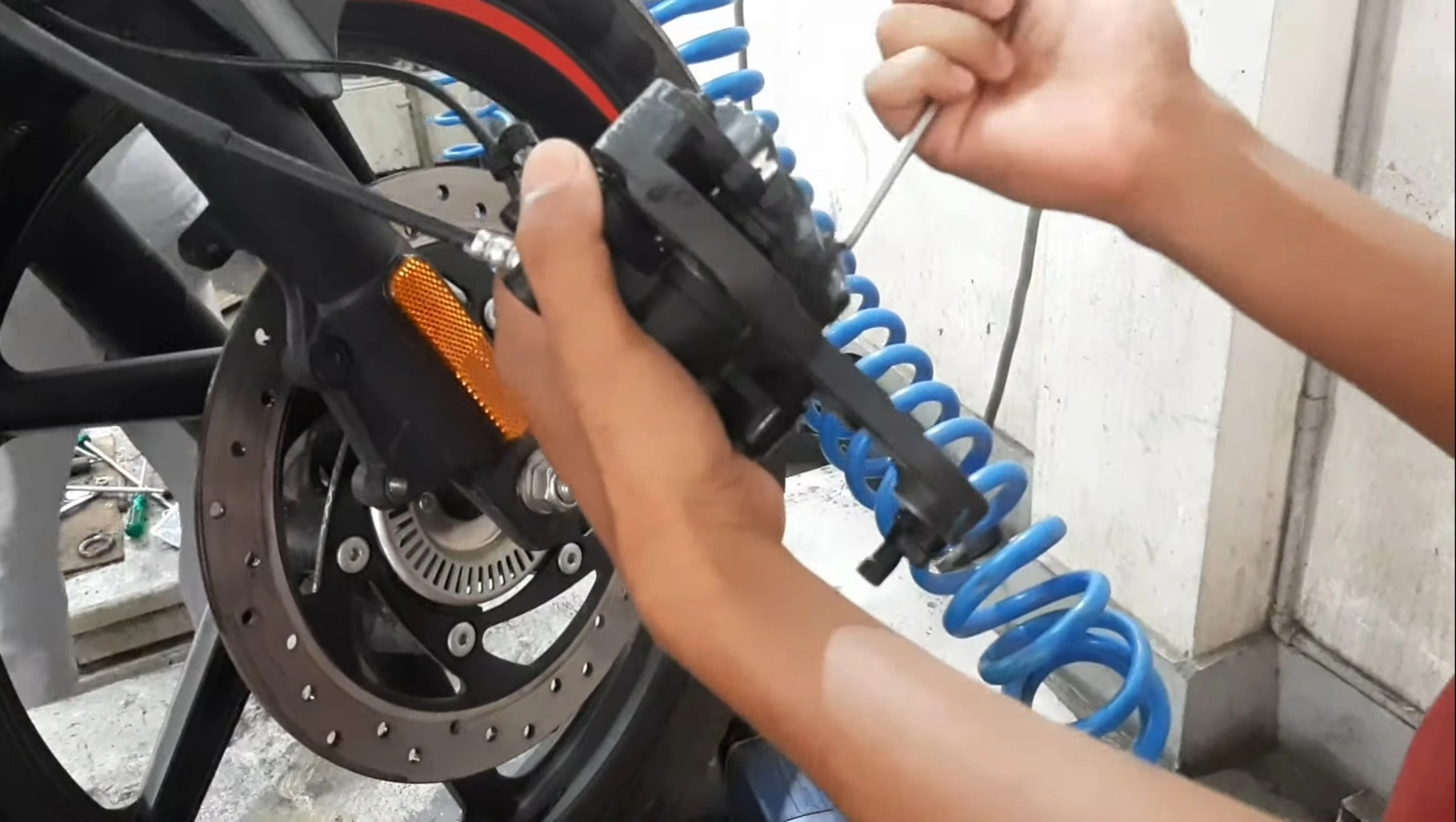
Brakes are the single most critical safety system on your bike. Every ride through Pune — weaving through Hinjewadi IT park traffic, navigating the sudden stops on JM Road, descending the Sinhagad Road ghats, or dodging autorickshaws near Swargate — depends entirely on your brake pads doing their job. When those pads wear thin, your stopping distance increases, your reaction time becomes less forgiving, and a routine commute turns into a genuine risk. According to traffic police data, brake failure and poor brake maintenance contribute to a significant percentage of two-wheeler accidents in Pune every year.
Yet brake pads are among the most neglected maintenance items. Most riders never think about them until they hear a grinding noise or feel the brake lever pulling all the way to the handlebar. By that point, the pads are often completely worn — and the damage may have extended to the disc rotor, multiplying the repair cost several times over. Pune’s riding conditions are particularly harsh on brakes: the constant stop-and-go traffic across Wakad, Baner, and the Chandni Chowk corridor means you are braking hundreds of times per ride. Monsoon mud and construction dust act as abrasives that accelerate pad wear well beyond what the manufacturer estimated.
This guide covers every aspect of brake pad replacement costs in Pune for 2026 — from commuter bike drum brake shoes to premium sports bike sintered pads. You will find exact pricing by brand and model, understand the difference between brake pad types, learn when replacement is truly needed, and discover how Pune’s unique conditions affect your brake pad lifespan. Whether you need a simple rear drum shoe swap on a Hero Splendor or a full front-and-rear disc pad replacement on a KTM Duke, the numbers and advice you need are here.
Before diving into brand-specific pricing, here is a summary of what brake pad replacement costs in Pune based on bike category and brake type. These prices include quality brake pads (OEM equivalent or better) and professional installation labor.
| Bike Category | Brake Type | Parts Cost | Labor Cost | Total Cost |
|---|---|---|---|---|
| Commuter (100-110cc) | Drum (shoes) | ₹200-₹500 | ₹200-₹300 | ₹999-₹1,499 |
| Commuter (100-125cc) | Front Disc | ₹250-₹550 | ₹200-₹300 | ₹450-₹1,499 |
| Mid-range (150-200cc) | Front Disc | ₹999-₹1,499 | ₹250-₹999 | ₹650-₹1,200 |
| Mid-range (150-200cc) | Rear Drum | ₹200-₹500 | ₹200-₹300 | ₹999-₹1,499 |
| Premium (350cc) | Front Disc | ₹500-₹1,100 | ₹999-₹500 | ₹1,499-₹1,600 |
| Premium (350cc) | Rear Disc | ₹450-₹1,000 | ₹999-₹500 | ₹1,499-₹1,500 |
| Sports/ADV (200-400cc) | Front + Rear Disc | ₹1,200-₹3,000 | ₹500-₹1,499 | ₹2,000-₹4,500 |
| Scooters (all) | Drum (shoes) | ₹200-₹999 | ₹200-₹250 | ₹999-₹650 |
| Scooters (disc models) | Front Disc | ₹250-₹500 | ₹200-₹300 | ₹450-₹1,499 |
Prices reflect Pune market rates as of March 2026. Includes parts and professional installation. View complete service pricing for more details.
Important: These are total costs including labor. Some workshops quote only the pad price and add labor separately — always confirm the all-inclusive cost before agreeing to any work. With BikeFix doorstep brake pad replacement, the price quoted is the price you pay, with no additional travel or convenience charges anywhere in Pune and PCMC.
Hero is the most popular bike brand on Pune’s roads, and replacing brake components on Hero bikes is among the most affordable.
| Model | Front Brake | Rear Brake | Front Pad/Shoe Cost | Rear Pad/Shoe Cost |
|---|---|---|---|---|
| Hero Splendor Plus | Drum | Drum | ₹999-₹550 (shoes) | ₹999-₹550 (shoes) |
| Hero HF Deluxe | Drum | Drum | ₹999-₹500 (shoes) | ₹999-₹500 (shoes) |
| Hero Glamour | Disc | Drum | ₹500-₹700 (pads) | ₹999-₹550 (shoes) |
| Hero Glamour Xtec | Disc | Drum | ₹550-₹750 (pads) | ₹999-₹550 (shoes) |
| Hero Xtreme 160R | Disc | Disc | ₹650-₹1,499 (pads) | ₹600-₹1,499 (pads) |
| Hero Xpulse 200 | Disc | Disc | ₹750-₹1,100 (pads) | ₹700-₹1,000 (pads) |
Hero Splendor and HF Deluxe models use simple drum brakes on both wheels, making them the cheapest bikes to service for brakes. The drum shoes are widely available at any local mechanic in Kothrud, Hadapsar, or anywhere in Pune. The Glamour’s front disc uses standard organic pads that are equally easy to source. If you ride a Splendor through Pune traffic daily, expect to replace drum shoes every 15,000-20,000 km.
Honda is the second most popular brand in Pune, with both bikes and scooters dominating the roads. Brake parts for Honda models are competitively priced and widely stocked.
| Model | Front Brake | Rear Brake | Front Pad/Shoe Cost | Rear Pad/Shoe Cost |
|---|---|---|---|---|
| Honda Shine 125 | Disc | Drum | ₹500-₹700 (pads) | ₹999-₹550 (shoes) |
| Honda SP125 | Disc | Drum | ₹550-₹750 (pads) | ₹999-₹550 (shoes) |
| Honda Unicorn | Disc | Drum | ₹550-₹750 (pads) | ₹999-₹600 (shoes) |
| Honda CB Hornet 160R | Disc | Disc | ₹650-₹1,499 (pads) | ₹600-₹1,499 (pads) |
| Honda CB200X | Disc | Disc | ₹750-₹1,100 (pads) | ₹700-₹1,000 (pads) |
| Honda Activa 6G | Drum/Disc | Drum | ₹999-₹650 | ₹999-₹550 (shoes) |
| Honda Dio | Disc | Drum | ₹450-₹650 (pads) | ₹999-₹550 (shoes) |
The Honda Activa deserves special mention — it is everywhere in Pune, and its drum brake shoes are the cheapest brake component to replace on any two-wheeler. The disc brake variant of the Activa 6G uses compact pads that are slightly more expensive but still very affordable. Honda Shine and SP125 owners in areas like Hinjewadi and Wakad should budget for front disc pad replacement every 12,000-15,000 km given the heavy traffic braking these areas demand.
Bajaj Pulsar is one of the most common mid-range bikes in Pune. The Pulsar lineup spans from commuter to sports-oriented, with brake system complexity (and cost) varying accordingly.
| Model | Front Brake | Rear Brake | Front Pad/Shoe Cost | Rear Pad/Shoe Cost |
|---|---|---|---|---|
| Bajaj Platina 110 | Drum | Drum | ₹999-₹500 (shoes) | ₹999-₹500 (shoes) |
| Bajaj CT110 | Drum | Drum | ₹999-₹500 (shoes) | ₹999-₹500 (shoes) |
| Bajaj Pulsar 125 | Disc | Drum | ₹550-₹750 (pads) | ₹999-₹550 (shoes) |
| Bajaj Pulsar 150 | Disc | Drum | ₹600-₹1,499 (pads) | ₹999-₹600 (shoes) |
| Bajaj Pulsar NS160 | Disc | Disc | ₹650-₹1,499 (pads) | ₹600-₹1,499 (pads) |
| Bajaj Pulsar NS200 | Disc | Disc | ₹750-₹1,100 (pads) | ₹700-₹1,000 (pads) |
| Bajaj Pulsar RS200 | Disc | Disc | ₹1,499-₹1,200 (pads) | ₹750-₹1,100 (pads) |
| Bajaj Dominar 400 | Disc | Disc | ₹1,100-₹1,600 (pads) | ₹1,000-₹1,400 (pads) |
The Pulsar NS200 and RS200 are very popular among Pune’s younger riders, especially those commuting from Baner and Balewadi to the IT parks. These bikes have dual disc brakes — replacing both front and rear pads simultaneously costs ₹1,500-₹2,200, which is significantly more than single-disc models. If you own a Dominar 400, its larger disc rotors require premium pads that are less commonly stocked, so ordering them a day ahead through BikeFix brake pad replacement service ensures you get the right part without hunting through shops.
TVS offers a broad lineup from the budget Star City to the sporty Apache RR310. Brake parts are generally well-priced and available across Pune.
| Model | Front Brake | Rear Brake | Front Pad/Shoe Cost | Rear Pad/Shoe Cost |
|---|---|---|---|---|
| TVS Star City Plus | Drum | Drum | ₹999-₹550 (shoes) | ₹999-₹550 (shoes) |
| TVS Raider 125 | Disc | Drum | ₹500-₹700 (pads) | ₹999-₹550 (shoes) |
| TVS Apache RTR 160 | Disc | Disc | ₹650-₹1,499 (pads) | ₹600-₹1,499 (pads) |
| TVS Apache RTR 200 | Disc | Disc | ₹1,499-₹1,200 (pads) | ₹1,499-₹1,100 (pads) |
| TVS Apache RR310 | Disc | Disc | ₹1,200-₹1,800 (pads) | ₹1,100-₹1,600 (pads) |
| TVS Jupiter | Drum | Drum | ₹999-₹550 (shoes) | ₹999-₹550 (shoes) |
| TVS Ntorq 125 | Disc | Drum | ₹500-₹700 (pads) | ₹999-₹550 (shoes) |
TVS Apache RTR owners should note that the 200 and 310 models use slightly wider brake pads than typical 150-160cc bikes. The Apache RR310’s brakes are borrowed from BMW G 310 platform components, which makes replacement pads more expensive and less commonly stocked by roadside mechanics. For Apache owners in Hinjewadi or Kothrud, scheduling a doorstep brake service ensures the mechanic arrives with the correct pads for your specific Apache variant.
Royal Enfield bikes are heavier than most other bikes on the road, which means their brakes work harder and pads wear faster. This is especially true in Pune traffic where frequent stopping is unavoidable.
| Model | Front Brake | Rear Brake | Front Pad/Shoe Cost | Rear Pad/Shoe Cost |
|---|---|---|---|---|
| Royal Enfield Classic 350 | Disc | Disc | ₹1,499-₹1,300 (pads) | ₹1,499-₹1,200 (pads) |
| Royal Enfield Bullet 350 | Disc | Drum | ₹1,499-₹1,200 (pads) | ₹500-₹700 (shoes) |
| Royal Enfield Meteor 350 | Disc | Disc | ₹1,499-₹1,400 (pads) | ₹1,499-₹1,300 (pads) |
| Royal Enfield Hunter 350 | Disc | Disc/Drum | ₹1,499-₹1,200 (pads) | ₹500-₹1,200 |
| Royal Enfield Himalayan | Disc | Disc | ₹1,100-₹1,800 (pads) | ₹1,000-₹1,600 (pads) |
Royal Enfield Classic 350 owners in Pune should expect to replace front brake pads every 8,000-12,000 km — sooner than lighter bikes because the Classic 350 weighs over 195 kg. The extra mass requires more braking force, which wears pads faster. Bullet 350 owners with rear drum brakes have a slight cost advantage on the rear, but the front disc pads wear just as quickly. If your Royal Enfield is due for both brake pads and a general service, combining both in a single appointment saves time and often gets you a package discount.
KTM bikes are performance-oriented, and their braking systems use higher-spec components. Brake pad replacement for KTM bikes is the most expensive among popular brands in Pune, but the braking performance justifies the premium.
| Model | Front Brake | Rear Brake | Front Pad/Shoe Cost | Rear Pad/Shoe Cost |
|---|---|---|---|---|
| KTM Duke 125 | Disc | Disc | ₹1,200-₹1,800 (pads) | ₹1,000-₹1,600 (pads) |
| KTM Duke 200 | Disc | Disc | ₹1,400-₹2,200 (pads) | ₹1,200-₹1,800 (pads) |
| KTM Duke 250 | Disc | Disc | ₹1,500-₹2,400 (pads) | ₹1,300-₹2,000 (pads) |
| KTM Duke 390 | Disc | Disc | ₹1,600-₹4,000 (pads) | ₹1,400-₹3,500 (pads) |
| KTM RC 200 | Disc | Disc | ₹1,400-₹2,200 (pads) | ₹1,200-₹1,800 (pads) |
| KTM RC 390 | Disc | Disc | ₹1,700-₹4,000 (pads) | ₹1,500-₹3,500 (pads) |
KTM Duke and RC models use ByBre (by Brembo) brake calipers, which require specific pad shapes not interchangeable with generic Indian bike pads. This is why random roadside mechanics sometimes fit ill-fitting pads on KTMs — causing uneven wear, noise, and reduced braking efficiency. KTM Duke 390 owners in particular should insist on correct sintered or semi-metallic pads rated for the ByBre caliper. BikeFix carries OEM-equivalent pads for all KTM models and provides doorstep brake service with proper installation and bedding-in guidance.
Yamaha bikes offer excellent braking performance across their range. Their brake pads are moderately priced — less expensive than KTM but slightly more than equivalent Honda or Bajaj models.
| Model | Front Brake | Rear Brake | Front Pad/Shoe Cost | Rear Pad/Shoe Cost |
|---|---|---|---|---|
| Yamaha FZ-S FI | Disc | Disc | ₹650-₹1,499 (pads) | ₹600-₹1,499 (pads) |
| Yamaha FZ-X | Disc | Disc | ₹700-₹1,000 (pads) | ₹650-₹1,499 (pads) |
| Yamaha MT-15 | Disc | Disc | ₹1,000-₹1,500 (pads) | ₹1,499-₹1,300 (pads) |
| Yamaha R15 V4 | Disc | Disc | ₹1,200-₹2,000 (pads) | ₹1,000-₹1,600 (pads) |
| Yamaha R15M | Disc | Disc | ₹1,300-₹2,200 (pads) | ₹1,100-₹1,800 (pads) |
| Yamaha Ray ZR | Disc | Drum | ₹450-₹650 (pads) | ₹999-₹550 (shoes) |
The Yamaha R15 V4 and R15M deserve specific attention — their front disc uses a relatively large 282mm rotor with pads that are wider than most 150cc bike pads. This means R15 pads are not interchangeable with FZ-S pads despite both being Yamaha 150cc bikes. Yamaha FZ-S is exceptionally popular among daily commuters in areas like Wakad and Pimple Saudagar — its front pads typically last 12,000-15,000 km with regular city riding, which translates to roughly one replacement per year for the average rider.
Suzuki’s lineup includes both commuter-friendly scooters and the sporty Gixxer range. Brake parts are competitively priced and widely available.
| Model | Front Brake | Rear Brake | Front Pad/Shoe Cost | Rear Pad/Shoe Cost |
|---|---|---|---|---|
| Suzuki Gixxer 150 | Disc | Disc | ₹650-₹1,499 (pads) | ₹600-₹1,499 (pads) |
| Suzuki Gixxer 250 | Disc | Disc | ₹1,499-₹1,300 (pads) | ₹1,499-₹1,100 (pads) |
| Suzuki Gixxer SF 250 | Disc | Disc | ₹1,499-₹1,400 (pads) | ₹1,499-₹1,200 (pads) |
| Suzuki Access 125 | Disc/Drum | Drum | ₹999-₹650 | ₹999-₹550 (shoes) |
| Suzuki Burgman Street | Disc | Drum | ₹500-₹700 (pads) | ₹999-₹550 (shoes) |
Suzuki Access 125 is one of the most popular scooters in Pune. The drum brake variant has the cheapest brake shoe replacement cost of any Suzuki, while the disc variant is only marginally more expensive. The Gixxer 250 and SF 250 use quality components that match their price bracket — brake pads are slightly more expensive than the 150cc Gixxer but provide noticeably better stopping performance, which matters when you are riding on highways or the Pune-Mumbai Expressway.
Understanding the difference between disc and drum brakes helps you anticipate costs and make informed decisions about your bike’s maintenance. Here is a detailed comparison relevant to Pune riders.
| Factor | Disc Brakes | Drum Brakes |
|---|---|---|
| Stopping Power | Superior — shorter stopping distance | Adequate for low speeds |
| Heat Dissipation | Excellent — open design cools quickly | Poor — enclosed design retains heat |
| Wet Performance | Good — water sheds off the open disc | Worse — water can enter the drum |
| Pad/Shoe Cost | ₹999-₹3,000 per set | ₹200-₹500 per set |
| Labor Cost | ₹200-₹500 | ₹200-₹300 |
| Total Replacement Cost | ₹600-₹4,500 per wheel | ₹999-₹1,499 per wheel |
| Pad/Shoe Lifespan | 10,000-20,000 km | 15,000-25,000 km |
| Inspection Ease | Easy — visually check pad thickness | Difficult — drum must be opened |
| Self-Adjustment | Yes (most modern calipers) | Manual adjustment needed periodically |
| Fade Resistance | High — maintains performance when hot | Low — effectiveness drops when hot |
| Common On | Front wheel of most modern bikes | Rear wheel of commuter bikes |
For Pune riding specifically: Disc brakes offer a meaningful safety advantage in our traffic conditions. The constant braking in congested areas like Kothrud and Swargate generates significant heat in drum brakes, causing “brake fade” where stopping power diminishes the more you brake. Disc brakes resist this fade far better. During monsoon, when roads are wet across the city, disc brakes shed water faster and recover their grip more quickly. The slightly higher replacement cost of disc brake pads is a fair trade for consistently better stopping power.
Not all brake pads are the same. The friction material composition determines how the pad performs, how long it lasts, and how much it costs. Here are the three main types available in Pune.
Composition: Made from rubber, glass, Kevlar, and resin compounds bonded together.
Cost: ₹300-₹700 per set
Pros:
Cons:
Best for: Daily city commuters on bikes under 200cc. If you ride a Honda Shine, Hero Glamour, or Bajaj Pulsar 150 primarily in urban areas like Hinjewadi, Kharadi, or Aundh, organic pads are perfectly adequate and the most cost-effective choice.
Composition: Contains 30-65% metal (steel, copper, iron) mixed with organic fillers.
Cost: ₹600-₹1,200 per set
Pros:
Cons:
Best for: Riders who mix city and highway riding, bikes 150-250cc, and anyone wanting a better balance of cost and performance. If you commute from Wakad to Hinjewadi and also take occasional highway trips to Lonavala, semi-metallic pads are your best option.
Composition: Metal particles (copper, iron, steel) fused together under extreme heat and pressure.
Cost: ₹1,499-₹2,500 per set
Pros:
Cons:
Best for: KTM Duke/RC, Yamaha R15, Royal Enfield Himalayan, Bajaj Dominar 400, and any bike used aggressively. Also recommended for riders who brave the Pune monsoon daily — sintered pads maintain consistent stopping power even when soaked.
| Feature | Organic | Semi-Metallic | Sintered |
|---|---|---|---|
| Cost per set | ₹300-₹700 | ₹600-₹1,200 | ₹1,499-₹2,500 |
| Lifespan | 8,000-15,000 km | 12,000-22,000 km | 15,000-30,000 km |
| Noise Level | Low | Medium | High |
| Rotor Wear | Low | Medium | High |
| Heat Resistance | Low | Medium | High |
| Wet Performance | Fair | Good | Excellent |
| Best For | City commuting | Mixed riding | Sports/heavy bikes |
| Cold Bite | Excellent | Good | Fair |
Do not wait for your brakes to fail. Watch for these warning signs and act promptly — especially in Pune traffic where split-second braking can prevent accidents.
Most quality brake pads have a built-in wear indicator — a small metal tab that contacts the disc rotor when the pad wears down to a minimum safe thickness. This produces a high-pitched squeal specifically designed to alert you. If you hear a consistent squeal every time you brake (not just occasional morning noise), your pads are at or near their replacement threshold.
This is the most dangerous sign. A harsh grinding noise means the friction material has worn away completely, and the metal backing plate is grinding against the disc rotor. Stop riding immediately if you hear this. Continuing to ride with metal-on-metal contact will gouge your disc rotor, and rotor replacement costs ₹1,499-₹3,000 — far more than timely pad replacement. If this happens while you are riding, pull over safely and call for emergency bike repair.
Your bike takes noticeably longer to stop, or you need to squeeze the brake lever much harder than before to achieve the same deceleration. This gradual loss of braking effectiveness is easy to miss because it happens slowly over weeks. A good test: if you feel your braking is not as sharp as it was a few months ago, get the pads inspected.
For front disc brakes, the lever should engage the brake with about 30-40% of its travel. If the lever pulls much closer to the handlebar before you feel braking force, the pads may be thin (less material means the caliper pistons extend further). This can also indicate air in the brake line, but worn pads are the most common cause.
If your bike veers left or right when you apply brakes, one brake pad may be more worn than the other, or a caliper piston may be sticking. Uneven braking is dangerous — especially on busy Pune roads where swerving into the next lane during an emergency stop can cause a collision.
A pulsating or vibrating sensation when you squeeze the brake lever usually indicates a warped disc rotor (often caused by riding with extremely worn pads) or uneven pad wear. This vibration reduces braking efficiency and should be inspected promptly. As part of a standard bike maintenance routine, brake inspection catches these issues early.
For disc brakes, you can visually inspect pad thickness by looking into the caliper from above or the side. New pads are typically 4-5mm thick. If the friction material is worn below 2mm, replacement is due. Below 1mm is dangerous — replacement is overdue.
For rear drum brakes, if the brake pedal has to be pressed much further than normal before you feel any braking force, or if the rear wheel no longer locks when the brake is fully applied, the shoes are worn. Some riders compensate by adjusting the brake rod tighter — this works temporarily but the shoes still need replacement.
Pune’s riding conditions are uniquely demanding on brake systems. Understanding these factors helps you plan replacements proactively rather than reactively.
Pune’s traffic density means you brake far more often per kilometer than riders in smaller cities. The IT corridors through Hinjewadi, Wakad, and Baner during peak hours (8:30-10:30 AM and 5:30-8:00 PM) involve nearly continuous braking. Riders on these routes should expect 20-30% shorter brake pad life compared to manufacturer estimates, which are based on mixed-condition riding.
Pune receives heavy rainfall during the monsoon, and wet roads require harder braking with greater lever/pedal pressure. Water mixed with road grime acts as an abrasive compound between pad and rotor, accelerating wear. Additionally, standing water on roads (common in low-lying areas like Sinhagad Road, NIBM, and Kondhwa) forces sudden hard braking that wears pads unevenly. Sintered brake pads perform significantly better than organic pads in these conditions. Proper monsoon bike care, as outlined in our monsoon riding guide, extends brake pad life.
Pune’s rapid expansion means construction zones are everywhere — Wakad, Balewadi, Hinjewadi Phase 3, and the metro construction corridors. Fine dust and sand particles settle on brake rotors and get embedded in brake pads, acting as abrasive that wears both pads and rotors faster. Riders who commute through active construction zones should clean their brake calipers and rotors more frequently. A periodic general service includes brake inspection and cleaning as standard.
Pune is surrounded by hills — Sinhagad, Katraj Ghat, Lavasa Road, and the Western Ghats. Descending long slopes requires sustained braking that heats up brake components far more than flat-road braking. Organic brake pads can lose up to 40% of their effectiveness when overheated (brake fade), while sintered pads maintain near-full performance. Weekend riders who frequent ghat roads should consider upgrading to semi-metallic or sintered pads regardless of their bike’s stock pad type.
Pune’s road surfaces range from smooth concrete to pothole-ridden stretches that force sudden emergency braking. Hitting an unexpected pothole while braking can cause brake lockup that flat-spots pads (wears a specific spot more than the rest). This uneven wear reduces effective pad life and braking performance. Areas undergoing road resurfacing — particularly common in Kothrud, Karve Road, and the older parts of the city — are especially problematic.
Your riding habits have as much impact on brake pad life as Pune’s road conditions. Here is a realistic estimate based on riding patterns common among Pune riders.
Typical routes: Wakad to Hinjewadi, Kothrud to Deccan, Hadapsar to Magarpatta
Brake pad lifespan: 8,000-14,000 km (disc), 12,000-18,000 km (drum)
Why shorter: Constant low-speed braking in traffic jams. Hundreds of brake applications per trip. Brake pads never get a chance to cool down fully between applications. Short rides mean brake components spend proportionally more time in the active braking temperature zone.
Typical routes: City commute plus weekend highway trips to Lonavala, Lavasa, Mahabaleshwar
Brake pad lifespan: 12,000-20,000 km (disc), 16,000-25,000 km (drum)
Why moderate: Highway riding involves less frequent but heavier braking. Pads get cooling time between stops. The mix of high-speed and low-speed braking distributes wear more evenly. This is the riding pattern most manufacturer estimates assume.
Typical routes: Sinhagad Road, Katraj Ghat, Tamhini Ghat, weekend adventure rides
Brake pad lifespan: 6,000-12,000 km (disc), 10,000-16,000 km (drum)
Why shortest: Extended downhill braking generates extreme heat that accelerates pad material degradation. The weight of the bike pulling down a gradient means brakes work harder per application. Engine braking helps but does not eliminate the load on brake pads. Riders who frequently descend ghats with a pillion passenger should consider sintered pads and inspect pad thickness every 3,000-4,000 km.
Typical bikes: KTM Duke, Yamaha R15, Apache RTR 200, Pulsar RS200
Brake pad lifespan: 8,000-15,000 km (disc)
Why variable: Late braking, hard braking from high speeds, and frequent acceleration-deceleration cycles all shorten pad life. Sports bike riders who enjoy spirited riding through Baner and the Hinjewadi backroads should plan for pad replacement every 8,000-10,000 km and consider sintered pads for their superior high-temperature performance.
You have two options for getting your brake pads replaced in Pune: visiting a workshop or booking doorstep brake pad replacement service. Here is an honest comparison.
| Factor | Doorstep Service | Workshop/Garage |
|---|---|---|
| Convenience | Mechanic comes to your location | You ride to the shop and wait |
| Time Investment | 30-45 minutes (your time: near zero) | 1-3 hours including travel and wait |
| Brake Pad Options | Mechanic brings correct pads for your model | Limited to what the shop stocks |
| Quality Control | Trained mechanic, standardized process | Varies widely by shop |
| Cost | ₹999-₹4,500 (all-inclusive) | ₹350-₹4,000 + potential upselling |
| Riding with Worn Brakes | No need — mechanic comes to you | You must ride with bad brakes to the shop |
| Availability | 7 days, 9 AM-9 PM | Shop hours only, often closed Sundays |
| Warranty | Yes — if pad fails prematurely | Rarely offered by small shops |
| Proper Bedding-In | Guidance provided | Rarely mentioned |
One critical advantage of doorstep replacement that riders often overlook: you do not need to ride with worn brakes to reach the workshop. If your brake pads are severely worn or grinding, riding across Pune traffic to a mechanic is genuinely dangerous. Having a mechanic come to your location eliminates this risk entirely. Book through BikeFix and a mechanic will arrive at your home, office parking, or apartment complex with the correct pads and tools ready.
Brake pads are a mandatory safety expense, but there are legitimate ways to reduce your costs without compromising safety.
The most expensive mistake Pune riders make is riding with completely worn pads until the metal backing plate scores the disc rotor. A new set of pads costs ₹999-₹2,000. A scored rotor that needs resurfacing costs ₹999-₹1,499, and a new rotor costs ₹1,499-₹3,000. Timely replacement saves you ₹1,000-₹3,000 in avoided rotor damage. Check pad thickness during your regular bike maintenance schedule or ask for a brake inspection during any service.
Do not overspend on sintered pads if you are a gentle city commuter — organic pads at ₹300-₹700 will serve you perfectly and save you ₹300-₹600 per replacement compared to sintered. Conversely, do not cheap out on organic pads if you ride aggressively or in hilly terrain — they will wear out twice as fast, meaning you replace them twice as often and spend more in the long run.
When your bike is due for its regular general service in Pune, bundle the brake pad replacement into the same appointment. This saves the separate mechanic visit fee and often comes with a package discount. Most bike service costs already include brake inspection as part of the standard service checklist — adding pad replacement is incremental.
OEM brake pads from authorized service centers often cost 30-50% more than equivalent-quality aftermarket pads. Reputable aftermarket brands like Brembo, EBC, Ferodo, and Goldfren manufacture pads that meet or exceed OEM specifications at lower prices. A Brembo aftermarket pad for a Pulsar NS200 costs ₹600-₹1,499 versus ₹1,499-₹1,100 for the Bajaj OEM pad — with identical or better performance.
Your riding technique directly impacts pad life. Grabbing the brake lever hard from high speed wears pads exponentially faster than progressive braking (gradually increasing brake pressure). Engine braking before applying brakes on downhill stretches saves significant pad material. Maintaining safe following distance in Pune traffic reduces the frequency of emergency braking. These habits can extend pad life by 20-30%, saving you one extra replacement over the life of a set of pads.
Sometimes new brake pads will not restore your braking performance. Here are situations where additional brake system work may be needed:
Warped Disc Rotor: If you feel pulsation even with new pads, the rotor may be warped from excessive heat. Rotor resurfacing (skimming) costs ₹999-₹1,499, or full replacement costs ₹1,499-₹3,000. This is covered under engine and mechanical repair services.
Sticking Caliper Piston: A caliper piston that does not retract properly causes uneven pad wear and dragging (brake always slightly applied). Caliper servicing — cleaning, re-greasing, and replacing seals — costs ₹300-₹600.
Air in Brake Lines: Spongy brake feel even with new pads indicates air bubbles in the hydraulic brake fluid. Brake bleeding (removing air) costs ₹200-₹999 and restores firm lever feel immediately.
Worn Brake Fluid: Brake fluid absorbs moisture over time, reducing its boiling point. In Pune’s humid monsoon months, this degradation accelerates. Brake fluid should be replaced every 2 years or 20,000 km — it costs only ₹200-₹999 and is often overlooked.
Worn Drum Brake Springs and Actuators: Inside drum brakes, return springs and actuating mechanisms wear out alongside the shoes. If new shoes do not restore braking, the springs or actuator cam may need replacement — typically ₹150-₹300 for parts.
If your braking issues persist after pad replacement, a comprehensive brake system inspection through BikeFix’s doorstep mechanic service will diagnose the underlying cause.
Booking brake pad replacement through BikeFix is straightforward. Here is the process from start to finish.
Step 1: Book Your Service Contact BikeFix via WhatsApp or phone (+91-8668500383). Share your bike model, location, and preferred time slot. Our team confirms pad availability for your bike and schedules the appointment.
Step 2: Mechanic Arrives A verified mechanic arrives at your location — home, office, apartment parking, or any accessible spot — with the correct brake pads for your bike model, all necessary tools, and cleaning supplies. No need to ride your bike anywhere.
Step 3: Inspection and Replacement The mechanic inspects your current brake system (pads, rotors, calipers, fluid level), removes worn pads, cleans the caliper and rotor surface, installs new pads with proper alignment, and adjusts brake lever/pedal free play.
Step 4: Testing and Handover The mechanic tests the brake by spinning the wheel to ensure no dragging, checks pad-rotor alignment, and takes a short test ride to verify proper braking performance. You receive bedding-in instructions (how to break in the new pads for the first 100 km). The mechanic also advises you on the condition of other brake components — disc rotor, brake fluid, cables — so you can plan future maintenance.
Step 5: Payment Pay after the service is complete and you are satisfied. No advance payment required. UPI, cash, and online payment accepted.
The entire process takes 30-45 minutes for a single-wheel replacement, or 45-60 minutes for both wheels. For riders in Kothrud, Baner, and surrounding areas, our mechanics typically reach you within 60-90 minutes of booking confirmation.
The FAQs in the frontmatter section above cover the most common questions about brake pad replacement cost, timing, pad types, and doorstep service availability in Pune. For additional bike maintenance questions, refer to our complete bike maintenance checklist and overall service cost guide. If your concern is related to battery issues that sometimes get confused with brake problems (like weak electrical performance after hard braking), our battery replacement cost guide may help.
Brake pads are a small, inexpensive component that carries an outsized responsibility — keeping you alive on the road. In Pune’s traffic, where a stray autorickshaw, a suddenly-stopping bus, or a pedestrian crossing against the light can demand instant stopping power, your brake pads need to be in proper condition at all times. The cost of timely replacement — ₹999 to ₹4,500 depending on your bike — is trivial compared to the cost of an accident or the cost of replacing a damaged disc rotor.
Check your brake pads regularly. Listen for squealing. Feel for changes in lever travel. And when replacement is due, do not delay it. BikeFix provides professional doorstep brake pad replacement across all Pune and PCMC areas with verified mechanics, correct pads for your specific bike model, and no advance payment. Your safety is worth a 30-minute service appointment.
Our team of certified mechanics brings over 15 years of combined experience in bike service and repair. We're passionate about helping Pune riders keep their bikes in top condition through expert maintenance and reliable doorstep service.
Contact UsBrake pad replacement in Pune costs ₹999-₹4,500 depending on your bike type and brake system. Commuter bikes like Hero Splendor, Honda Shine, and Bajaj Platina cost ₹999-₹1,000 including parts and labor. Premium bikes like Royal Enfield Classic 350, Yamaha FZ25, and TVS Apache RTR 200 cost ₹1,499-₹2,000. Sports and ADV bikes like KTM Duke 390, Yamaha R15, and RE Himalayan cost ₹2,000-₹4,500. BikeFix provides doorstep brake pad replacement across all Pune and PCMC areas — our mechanic brings pads for your specific bike model and completes the replacement in 30-45 minutes.
In Pune's heavy stop-and-go traffic, bike brake pads typically last 10,000-20,000 km for disc brakes and 15,000-25,000 km for drum brakes. However, Pune-specific factors significantly affect brake pad life: frequent braking in areas like Sinhagad Road hills, JM Road traffic, and Hinjewadi IT park rush hour wears pads faster. Monsoon riding (June-September) with wet roads requires harder braking. Dust from construction zones in Wakad, Hinjewadi, and Balewadi accelerates pad wear. Riders who heavily rely on front brakes in city traffic will need front pad replacement more often. Regular brake inspection every 5,000 km is recommended for Pune riders.
Disc brakes use brake pads that clamp against a metal disc rotor — they provide stronger, more consistent stopping power and are easier to inspect (you can visually check pad thickness). Drum brakes use curved brake shoes that press outward against a drum — they are cheaper to replace but harder to inspect as the drum must be opened. Cost-wise, commuter bike brakes (drum or disc) cost ₹999-₹1,000, while premium and sports bike disc brake pads cost ₹1,499-₹4,500. Disc brakes are standard on most modern bikes above 125cc, while drum brakes are common on rear wheels of commuter bikes and older models. Both types need periodic replacement — disc pads wear faster in Pune traffic but provide better safety.
Replace brake pads when you notice: reduced stopping power (bike takes longer to stop), squealing or squeaking sounds during braking (wear indicators alerting you), grinding metal-on-metal sounds (pads completely worn — dangerous), brake lever needs to be pulled closer to the handlebar than before, bike pulls to one side during braking, vibration felt through the brake lever, visible pad thickness below 2mm for disc pads. For drum brakes, signs include: rear wheel doesn't lock when brake is fully applied, brake pedal has excessive travel, and reduced braking effectiveness especially when brakes are hot. Don't ignore these signs — worn brakes are a safety hazard especially in Pune's chaotic traffic.
The best brake pad depends on your riding style and bike type. Organic brake pads are made from rubber, glass, and resin compounds — they're quiet, gentle on rotors, and ideal for city commuting in Pune. Semi-metallic pads contain 30-65% metal and offer better stopping power and heat resistance — good for riders who commute on highways like Pune-Mumbai Expressway. Sintered (metallic) pads are the most durable and perform best in wet conditions (ideal for Pune monsoon) but are noisier and wear rotors faster. For most Pune commuters, organic or semi-metallic pads offer the best balance. OEM pads from your bike manufacturer are always a safe choice.
Yes, completely worn brake pads can severely damage your disc rotor. When the friction material wears away completely, the metal backing plate of the pad grinds directly against the disc rotor. This metal-on-metal contact causes deep scoring and gouging on the rotor surface, making it uneven and reducing braking effectiveness even with new pads. A scored rotor may need skimming (resurfacing) or complete replacement — costing ₹1,499-₹3,000 depending on the bike. This is far more expensive than timely pad replacement (₹999-₹2,000). In Pune traffic, where sudden braking is frequent, riding with worn pads is both dangerous and costly. Replace brake pads promptly to protect both your safety and your rotor.
Yes, BikeFix provides doorstep brake pad replacement across all Pune and PCMC areas including Hinjewadi, Wakad, Baner, Kothrud, Hadapsar, Viman Nagar, Kharadi, Aundh, Pimpri-Chinchwad, Koregaon Park, and 40+ more locations. Our mechanic arrives with the correct brake pads for your specific bike model, professional tools, and testing equipment. The process takes 30-45 minutes: inspect current pads, clean brake assembly, install new pads, adjust brake alignment, and test braking performance. Service available 7 days a week, 9 AM to 9 PM. No advance payment required.
Bajaj Pulsar disc brake pad replacement in Pune costs ₹999-₹1,200 depending on the model. Pulsar 150 front disc pad costs ₹999-₹600, Pulsar NS160 costs ₹500-₹700, Pulsar NS200 costs ₹600-₹1,499, and Pulsar RS200 costs ₹700-₹1,200. These prices include genuine or equivalent quality brake pads plus installation labor. For Pulsar models with dual disc brakes (like NS200 and RS200), replacing both front and rear costs ₹1,000-₹2,000. BikeFix carries pads compatible with all Pulsar variants and provides doorstep replacement with proper pad bedding-in instructions to ensure optimal braking performance from the start.
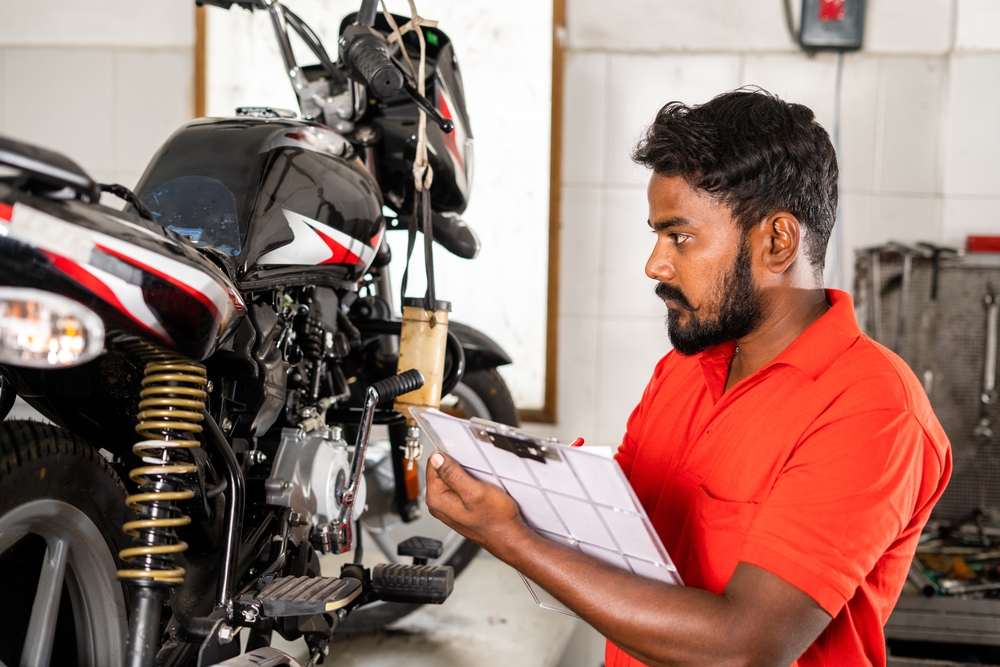
Bajaj service cost from ₹999 — Pulsar 125/150, NS200, Dominar. Service schedule: 1st at 500-750 km, 2nd at 5,000 km, then every 5,000 km. Oil change ₹999.
Bajaj Pulsar service cost from ₹999 — 125, 150, N160, NS200, N250. Service schedule: 1st at 500-750 km, 2nd at 5,000 km, then every 5,000 km. Oil change ₹999.
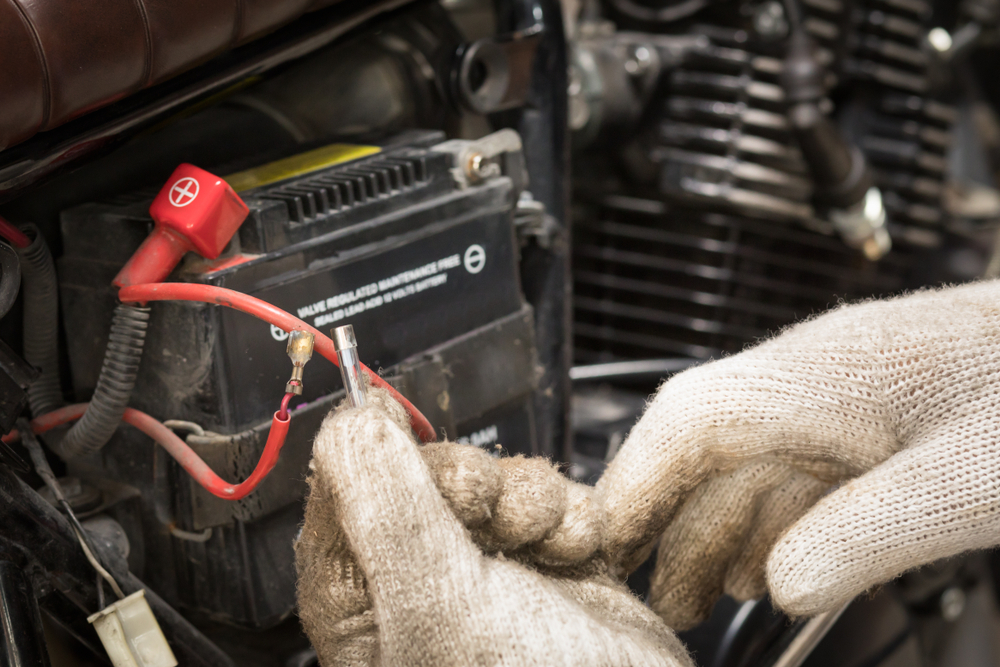
Complete bike battery replacement cost guide for Pune. Battery prices by brand and model, Exide vs Amaron comparison, signs of failing battery, doorstep replacement from ₹1,499.
Book our professional doorstep bike service in Pune now. Expert mechanics, genuine parts, affordable pricing.